Dr. Z Yan Wang
Dr. Z Yan Wang




Biography:
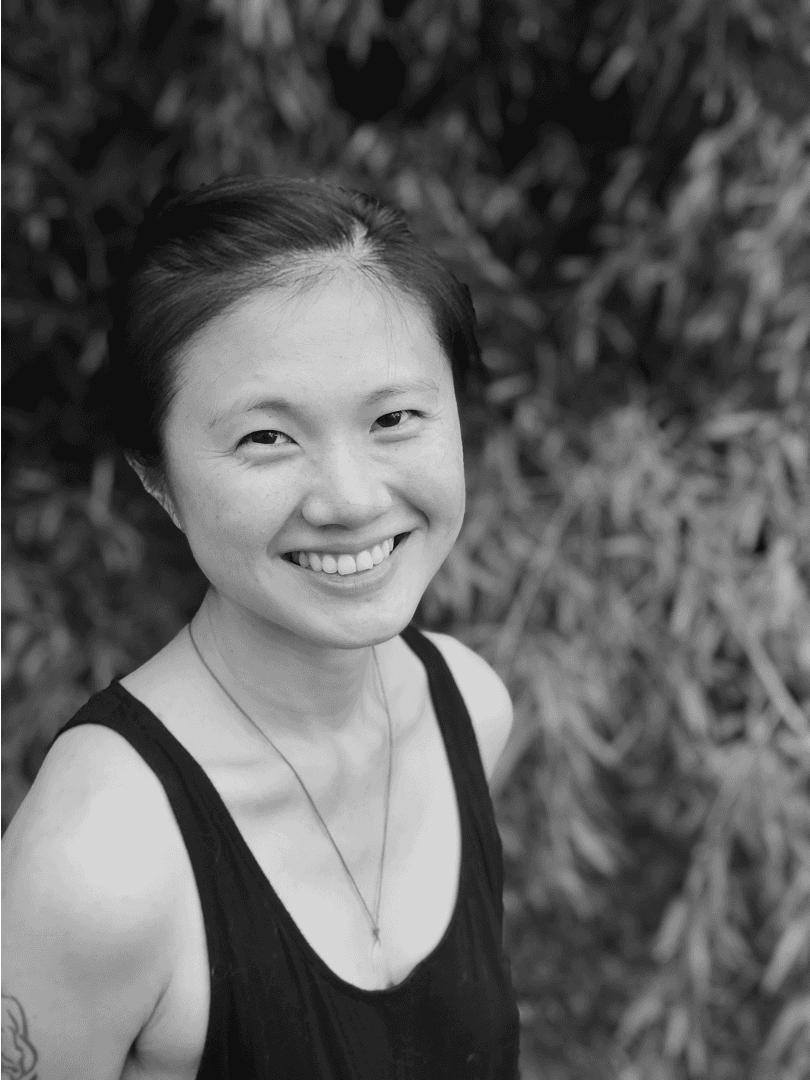
Dr. Z. Yan Wang is an Assistant Professor of Psychology and Biology at the University of Washington. She is a neuroscientist and neuroethologist exploring how nervous systems shape behavior, aging, and death. Her research asks how brains organize, encode, and mediate major life transitions, with a particular focus on end-of-life processes. She examines how neural and molecular signals influence behavior across the lifespan in unique invertebrates, including bees and octopuses. Her lab integrates behavioral experiments with high-dimensional omics and molecular tools to uncover core principles of the aging nervous system. Dr. Wang’s academic path reflects a deep commitment to interdisciplinary thinking. She earned her undergraduate degree from Cornell University, where she studied Biology, English Literature, and Asian American Studies. Early exposure to literature provided her a framework for thinking about identity, reproduction, and lived experience, questions that later informed her scientific interests. She went on to complete her PhD in Neurobiology at the University of Chicago, where she investigated the neuroendocrine basis of maternal behavior and reproductive death in octopuses. She subsequently pursued postdoctoral training at Princeton University, studying how social isolation affects brain development and social behavior in bumblebees. Now at the University of Washington, Dr. Wang is passionate about “doing science differently,” emphasizing ethical mentorship, community building, and inclusive education. Through her research and teaching, she aims to better understand life’s final transitions while helping shape a more thoughtful and humane scientific community.
Biography:
Dr. Z. Yan Wang is an Assistant Professor of Psychology and Biology at the University of Washington. She is a neuroscientist and neuroethologist exploring how nervous systems shape behavior, aging, and death. Her research asks how brains organize, encode, and mediate major life transitions, with a particular focus on end-of-life processes. She examines how neural and molecular signals influence behavior across the lifespan in unique invertebrates, including bees and octopuses. Her lab integrates behavioral experiments with high-dimensional omics and molecular tools to uncover core principles of the aging nervous system. Dr. Wang’s academic path reflects a deep commitment to interdisciplinary thinking. She earned her undergraduate degree from Cornell University, where she studied Biology, English Literature, and Asian American Studies. Early exposure to literature provided her a framework for thinking about identity, reproduction, and lived experience, questions that later informed her scientific interests. She went on to complete her PhD in Neurobiology at the University of Chicago, where she investigated the neuroendocrine basis of maternal behavior and reproductive death in octopuses. She subsequently pursued postdoctoral training at Princeton University, studying how social isolation affects brain development and social behavior in bumblebees. Now at the University of Washington, Dr. Wang is passionate about “doing science differently,” emphasizing ethical mentorship, community building, and inclusive education. Through her research and teaching, she aims to better understand life’s final transitions while helping shape a more thoughtful and humane scientific community.
RSVP for EWN Now!
We look forward to seeing you! RSVP for your FREE event pass here!
Event Details:
Date: May 8th, 2026 from 6:30-930pm
Location: Kane 120
RSVP for EWN Now!
We look forward to seeing you! RSVP for your FREE event pass here!
Event Details:
Date: May 8th, 2026 from 6:30-930pm
Location: Kane 120
RSVP for EWN Now!
We look forward to seeing you! RSVP for your FREE event pass here!
Event Details:
Date: May 8th, 2026 from 6:30-930pm
Location: Kane 120